What Can You Do with a Criminal Justice Degree?
Explore 50+ criminal justice degree career paths and salaries for 2026. Find the best jobs in law enforcement, law, corrections, and more
Jun 06, 2026
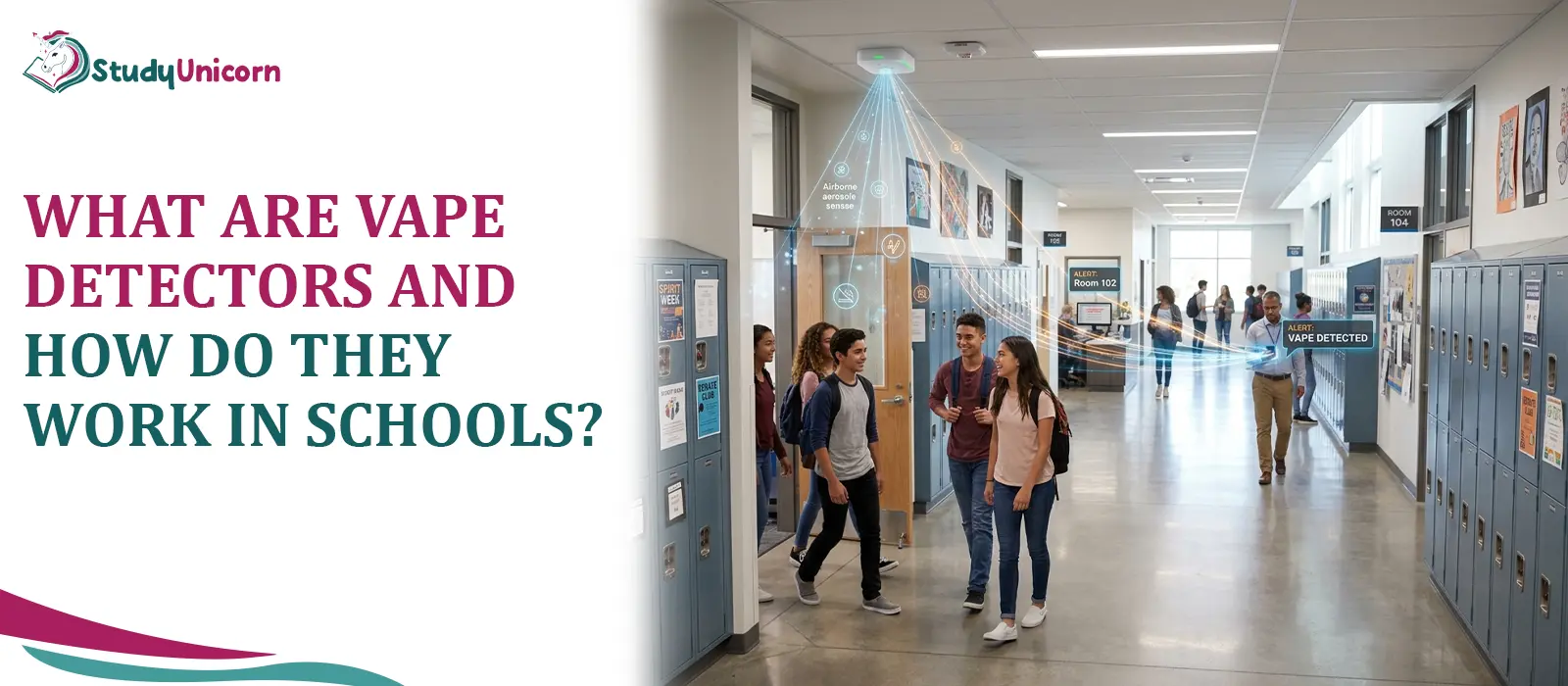
One of the biggest issues school administrators have faced is student vaping. Due to the growing popularity of e-cigarettes among teens, it has become more challenging for teachers to monitor unsupervised areas such as bathrooms and changing rooms. It's in this area that vape detectors are helping make a difference. Through the use of sensors, schools can detect cases of vaping in real-time through intelligent alerting of staff without having to constantly monitor physically, thus protecting the privacy of the students. Let's delve into the details about vape detectors, how they operate, their unique characteristics, and why they are becoming a vital component of today's school safety measures.
In today’s era, modern vaping sensors in schools utilize highly sophisticated sensors that can immediately detect any vaping taking place right at that very moment. They keep track of the indoor air quality through constant monitoring and inform the school authorities about any possible vaping incident in real-time. There is more information in detail on how do vape detectors work, you can know here:
A student who is vaping emits a cloud of tiny aerosol particles that are not visible with the naked eye. The sensors that use the laser scattering principle detect these even smaller particles by sensing the disruption of the beam of light as it passes through the air and alert immediately.
E-cigarettes produce their own unique mixture of volatile organic compounds, byproducts of nicotine, and flavors. The gas and chemical sensors are programmed to detect such unique compounds in the air so that they can detect the presence of vaping without getting confused by other environmental smells.
The best vapes detectors of the current time integrate all of the above-mentioned sensors within a single system. This approach helps to correlate data provided by each of the sensors together and increase accuracy and minimize false alarms caused by the presence of steam or cleaning products, etc.
When a sensor detects suspicious activity, the information is acted upon within seconds and notifications are immediately sent to the school administrator through centralized dashboards, dedicated mobile applications, SMS alerts or email. This is a quick response system that will enable staff to deal with any confirmed vaping incident rapidly, decisively and discreetly.
If you're considering air-quality monitoring options, it's essential that you know what do vape detectors look like? The devices have been created with the design intent of being inconspicuous and seamless in the school setting, while simultaneously measuring and reporting on indoor air quality in a continuous and effective manner.
The small vents or grills that are built into the casing are one of the most recognizable physical features of a vape detector. The openings permit air to circulate freely inside the device, and allow internal sensors to directly intercept aerosol particles and chemicals that are commonly associated with vaping.
The modern vape detectors are designed to be installed low to the ceiling or wall and to present an attractive, low-profile appearance. They are slim and simple in design, fitting seamlessly into an existing school infrastructure, so they won't stand out to pupils but will provide a continuous and reliable environmental monitoring.
A number of vape detector models have integrated little LED status indicators that convey the device's working status at a single glance. These indicators usually provide information about the power condition, network connectivity, or alert status — providing instant visual feedback to the facilities staff and administrators that each unit is working properly.
One design feature that should be highlighted is that the majority of vape detectors do not have any cameras at all. They are designed around environmental air-quality sensors, and not visual detection, which means they are implemented with great intent to address safety concerns before they arise, while respecting the privacy of students.
Some vape detector models may require external wiring and conduit (depending on installation) or visible wiring and conduit in retrofit installations of older school buildings. Many newer models, though, are made to hide the wiring completely, resulting in a cleaner and more integrated look on walls and ceilings.
There are a variety of safety technologies in use today in schools, but not all of them are created for the same purpose. Vape detectors will detect vapes, smoke detectors will detect fire hazards, and metal detectors will detain someone if they have a metal object on their body that is not permitted. When developing a complete school safety plan, it is essential for school administrators to understand the differences between the components so they can make informed decisions about the types of plans that should be designed to best protect the school.
| Feature | Vape Detectors | Smoke Detectors | Metal Detectors |
| Primary Purpose | Detect vaping and air-quality anomalies in unsupervised areas | Detect smoke, heat, and combustion byproducts to trigger evacuation/alerts | Screen individuals for concealed metal objects or weapons |
| What They Detect | Aerosol particles, VOCs, nicotine byproducts, humidity changes | Smoke particles, heat, combustion byproducts | Ferrous and non?ferrous metals, including weapons and prohibited items |
| Typical School Locations | Restrooms, locker rooms, stairwells, hallways, changing areas | Classrooms, hallways, cafeterias, gymnasiums, throughout building | School entrances, gymnasium events, after?school activities, large gatherings |
| Technology Used | Laser?scattering, gas sensors, VOC detection, multi?sensor systems | Ionization sensors, photoelectric sensors, heat detectors | Electromagnetic field detection; walk?through arches or handheld wands |
| Real?time Alerts | Instant notifications via dashboards, mobile apps, SMS, or email | Audible alarms, strobe lights, connection to building fire alarm systems | Audible beep or visual signal on detection during screening |
| Privacy Impact | Monitors air quality only — no cameras, audio, or personal data collected | Monitors environmental conditions only — no personal data collected | Requires physical proximity screening of individuals; may involve identity checks |
| Main Benefit | Proactively addresses student vaping without direct surveillance | Provides critical life?safety protection and early fire warning | Helps prevent weapons and dangerous objects from entering campus |
| Common Use Cases | Identifying vaping incidents in unsupervised, enclosed school spaces | Alerting occupants and emergency services during fire emergencies | Entry screening at events, daily access points, or high?security campuses |
Where Schools Install Vape Detectors
Strategic placement around school buildings is key to effective deployment of vape detectors. Administrators do not install vaping devices at random but instead focus on high-risk, low-supervision areas where vaping incidents are likely to happen. Placing carefully will not only help for early detection of problems but will also ensure that the student's privacy will be given utmost care throughout the monitoring procedure.
Not only are vape detectors being used in schools, but they are also being implemented in other locations. In the hospitality, commercial and public sectors, vape detection technology is gaining in popularity to help keep the surrounding indoor air clean, uphold their set no vaping rules and preempt the harmful and costly impact of unauthorized vaping within their property.
Vape detectors are used in hotels to ensure a no-smoking and no-vaping policy, especially in the guest rooms, hallways and lobby areas. Early detection preserves property and prevents an aftertaste of smoke and any property damage, as well as a need for remediation of rooms — which would cost the hospitality business much — while ensuring the comfort and satisfaction of non-vaping guests across the property.
Today's businesses also place vapor detection units in bathrooms and break room areas of their facilities to proactively foster indoor air quality standards. This helps the management keep the workplace environment clean and in compliance with policies without depending only on supervision and employee complaints.
Vape detectors are becoming more common in libraries, airports, health care facilities, and even in government buildings to help maintain air quality and promote no vape policies in public areas. The indoor air quality monitoring is a practical and responsible institutional priority in these environments that serve a diverse population, including vulnerable groups.
As public awareness continues to rise regarding the dangers of indoor space contaminated with secondhand vaping smoke and the health effects of secondhand smoke, the number of industries adopting this practice is increasing. Vaping prevalence is on the rise worldwide and institutions outside of schools are seeing the value of vape detection technology to part of good facility management and protection of the occupants' health.
Vaping is growing more common among students, and many schools are learning to use specialized manufacturers' vape detection equipment. There are now a number of brands that have developed purpose-built solutions that are specifically suited to educational environments, with differing types of sensors, alert systems and integration possible. The price of vape detectors for schools varies significantly depending on coverage area, features, and installation requirements, so it is important for administrators to compare and contrast the various programs available.
| Brand | Overview | Key features | Ideal for | Approx. price (USD) |
| Halo Smart Sensor | Multi-threat sensor for schools | Vape, THC, VOC detection, cloud dashboard, noise alerts | Large schools, restrooms, hallways | ~$800–$1,200 |
| Zeptive | Dedicated school vape detectors | Laser sensors, SMS/email alerts, tamper detection | Restrooms, changing rooms | ~$600–$1,000 |
| Triton Sensors | Cloud-connected multi-location platform | VOC sensors, centralized dashboard, customizable alerts | Multi-building campuses | ~$700–$1,100 |
| FreshAir Sensor | Air-quality and vape detection combo | Continuous monitoring, THC detection, real-time reports | Schools focused on air quality | ~$500–$900 |
| Wings Electronics | Budget-friendly entry-level detector | Aerosol/VOC detection, LED alerts, easy install | Smaller schools, single rooms | ~$300–$600 |
| Verkada | Enterprise-grade security integration | AI detection, cloud dashboard, security system integration | Large districts, campuses | ~$1,000–$1,500 |
Note: The above price, specification and features are estimated and are subject to change. Please double check each vendor's information directly for up-to-date information as this area is updated regularly.
Vape detector pricing in the education sector fluctuates depending on the type of vape detector, area to be covered and the various features of the vape detector like real-time alerts and cloud monitoring. Other costs, such as installation and subscription fees, can also influence overall expenses. If administrators know what they are looking for, they can select the appropriate system for the cost and facility space.
| System type | Description | Key features | Ideal for | Approx. cost (USD) |
| Basic | Entry-level units | LED alerts, basic detection | Small schools, single rooms | ~$300–$600 |
| Mid-range | Standard multi-sensor devices | App alerts, cloud monitoring | Medium schools, multiple zones | ~$600–$1,000 |
| Advanced (AI-based) | Smart detection platforms | AI detection, analytics, dashboards | Large schools, strict monitoring | ~$1,000–$1,500 |
| Campus-wide | Full-facility networks | Multi-device deployment, security integration | Large districts, multi-building campuses | ~$5,000–$20,000+ |
Most areas have legal regulations permitting schools to use vape detectors, but they should comply with relevant privacy laws and safety protocols for students. Importantly, these devices are specifically designed to detect changes in the air surrounding the vaping activity – they do not record audio, video, or any personally identifiable student information, allowing them to be a safe privacy-conscious device.
Vape detectors can be useful instruments for detecting vaping in schools; however, the effectiveness of vape detectors will vary based on the sensor technology, installation, and vaping environment. These devices are a key component in decreasing vaping incidents and improving policy compliance, but they are not a stand-alone solution and can be most effective when they are a part of a multi-layered school safety plan.
Vaping sensors are extremely sensitive and capable of detecting very low levels of aerosol particles and VOCs in the environment. Nevertheless, each device is characterized by different sensitivity rates and wrong installation or lack of good ventilation may affect their precision.
The use of vaping among students has become a large problem and has been increasing in schools throughout the United States, Canada, and the United Kingdom. The trend of increasing youth e-cigarette use rates, the growing number of e-cigarette incidents on campus and the potential for serious long-term health effects are all contributing factors, prompting schools to take a proactive approach to vape detection. Monitoring, enforcing air quality policy and protecting the health of students are key elements of school safety for administrators in all three regions.
As vaping becomes an increasingly difficult problem in schools, it is essential to have proactive solutions that work — and vape detectors are making an impact. These devices utilize state-of-the-art sensor technology and deliver real-time alerts and privacy-focused design to ensure the safety of students while maintaining trust. Today's investment in vape detection is the investment in a safer, healthier learning environment tomorrow, for all students.
Vape detectors look like normal smoke detectors or sensors mounted on walls. They're unobtrusive, small, and intended to fit in without students noticing them.
Yes, there exist vape detectors, which are devices that have been developed by many companies. There is a lot of competition among leading brands such as Triton, HALO, and Flysense who have already released their sensors in schools and hotels around the world.
Hospitals employ vape detectors to ensure sterile smoke-free environments, whereas hotels provide protection for non-smoking rooms. Both sectors rely on the instant detection system for violations.
Traditional vape smoke detectors are unable to detect vape aerosol effectively. Vape detectors have special sensors that can detect the unique chemical particles found in e-cigarette vapor.
Hotels nowadays use vape detectors to enforce non-smoking policies and safeguard their guests. With these devices, hotel managers can detect violations of policy and fine the violators without using patrols.
Modern vape detectors feature tamper alert features. The moment someone tries to cover, spray, or tamper with the device, it automatically sends out alerts to the relevant authorities; therefore, it is almost impossible for students to get past these detection methods.

Sources

Struggling With Assignments?
Get expert-written, plagiarism-free assignments delivered on time.
Place Your Order
Related Posts

What Can You Do with a Criminal Justice Degree?
Explore 50+ criminal justice degree career paths and salaries for 2026. Find the best jobs in law enforcement, law, corrections, and more

Autism Test for Teens: Signs & Free Assessment (2026)
Learn about the autism test for teens, common signs, screening methods, diagnosis, and take a free self-assessment to better understand autism symptom...

Longest Harry Potter Book: Ranking, Word Counts & Times
The longest Harry Potter book is Order of the Phoenix (257,045 words)! See where all of the 7 books rank in length, total page counts and read time.

Which Zodiac Sign Is Truly the Most Powerful? Know Yours!
Find out which zodiac signs dominate in love, career, and intelligence. See where your sign ranks using cosmic history paired with real psychological ...
Subscribe now!
To our newsletter for latest and best offers

Need Writing Help?
Our expert writers are ready yo assist you with any academic assignment.
Get Started
Join our 10K of happy users
Get original papers written according to your instructions and save time for what matters most.
Order Now